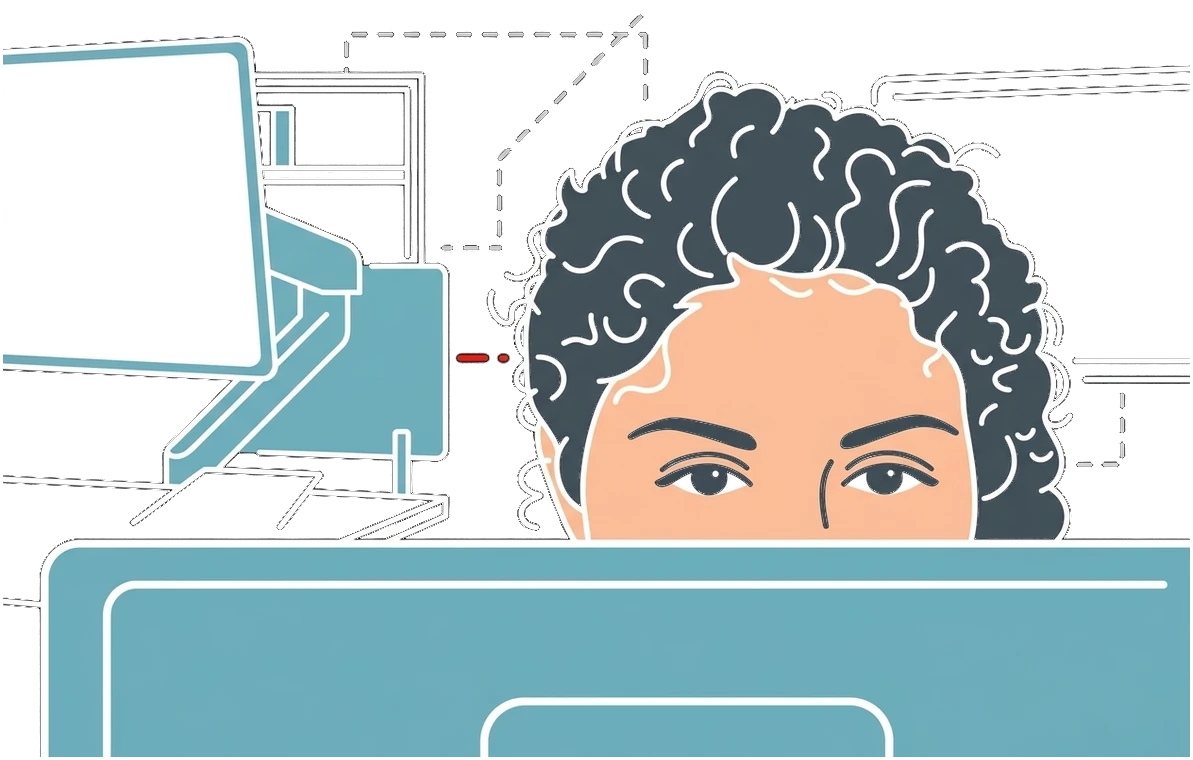
In the traditional office era, trust was often a byproduct of proximity. You trusted people because you saw them at their desks, shared coffee in the breakroom, and could “walk the floor.”
In the era of distributed teams, that proximity is gone. Today, I lead Ameware Group— a fully remote team spanning North America, Europe, and LATAM. I’ve learned that in a global setup, trust isn’t something that happens by accident. It is a deliberate engineering choice. It is the “invisible glue” that determines whether a team scales or stalls.
If you are a leader struggling to build a cohesive culture across time zones, here is how we approach the “Trust Architecture” at Ameware.
1. Trust Starts with High-Level Vetting
You cannot build trust on a shaky foundation. At Ameware Group, we believe that the first step to a high-trust remote environment happens during the recruitment phase.
This is why I am so vocal about “nitpicking” for consistency in a candidate’s history. If an engineer shows a “Digital Disconnect” between their CV and their LinkedIn, or if they lack attention to detail in their early communication, the trust is broken before the first line of code is written. When you hire for integrity and technical mastery from day one, you don’t have to waste energy on micromanagement.
2. Results Over Surveillance
The quickest way to kill trust in a distributed team is to prioritize “presence” over “performance.” If you are tracking “green lights” on Slack or counting keystrokes, you have already lost.
High-performance remote teams thrive on outcome-based management. My philosophy is simple: I hire experts to tell me what to do, not the other way around. When you provide clear objectives and the autonomy to meet them, you create an environment where engineers feel respected. Trust is a two-way street; you have to give it to get it.
3. Radical Transparency and Documentation
In an office, information travels through “osmosis.” In a distributed team, ambiguity is the enemy of trust. If a decision is made and it isn’t documented, it didn’t happen.
We prioritize a “Digital Paper Trail.” When everyone has access to the same information, same goals, and same technical roadmap, it eliminates the “inner circle” vs. “outer circle” dynamic that often plagues remote companies. Transparency creates a level playing field where talent — not politics — decides who succeeds.
4. Human Connection Beyond the Screen
Just because a team is “distributed” doesn’t mean it should be “disconnected.” There is a common trope that “cool programmers” are lone geniuses who don’t need human connection (why is that guy in the movies always a man, anyway?).
In reality, the best engineers are highly collaborative. At Ameware, we foster a “warm and friendly” boutique culture. We make space for the “non-work” conversations that build empathy. When you see your colleague as a human being — not just a profile picture — the trust becomes personal, not just professional.
Final Thoughts
Building a distributed team isn’t about the tools you use; it’s about the culture you build. Trust is the most valuable currency you have. It reduces friction, accelerates development, and allows you to attract the best talent on the planet, regardless of their zip code.
About the Author
Eleanor Haustof is the CEO and Co-founder of Ameware Group*, a global technology solutions and recruitment firm. Based in Dublin, she is an expert in building and scaling high-performance remote teams across North America, Europe, and LATAM. Eleanor is also a tech enthusiast and an advocate for women in engineering.*